My Fujifilm X-Pro2 Review: Why This Camera Still Matters in 2026
I’ve always been drawn to cameras that feel like companions rather than gadgets, and that’s why the Fujifilm X-Pro2 has become one of my favourite walk around cameras. Compact, tactile, and beautifully intuitive, it never gets in the way of "seeing" (even if I think I don't “see”, I just point at what I find interesting and noteworthy), which, for me, is the heart of photography.

There’s plenty of online talk and hype about the X-Pro2, and has been ever since it's release: its strengths, its quirks, whether it’s “still good” in a world of constant upgrades. I want to add my own view to that conversation, not as a spec sheet but as someone who takes the camera out and notices what it feels like to use day after day.

What struck me first about the X-Pro2 was its presence in the hand. Compared to my Canon cameras, it's compact without feeling small, solid without feeling heavy, and blessedly free of the menu-maze that plagues too many modern cameras. The rangefinder-style body and tactile dials make changing settings feel like a conversation rather than a chore: shutter speed, ISO, aperture all right there where you can touch them. This simplicity isn’t nostalgia, it’s clarity, functionality, and it matters.

Connected to that clarity is the imagery. The X-Pro2’s 24 megapixel APS-C X-Trans CMOS III sensor has a subtle and pleasing way of rendering tones that I find very satisfying. The files feel open yet detailed, colours feel alive yet grounded. Even before you start thinking about colour profiles or presets, the base imagery has a sort of honest gravity to it, the kind of look that makes everyday moments feel photographable. It this the "Fujifilm look"?

For me, the perfect partner in this is the "classic" Fujifilm 35 mm f/1.4 lens. This lens has a character that goes beyond sharpness charts or autofocus speed. Wide open, it delivers a soft fall-off and a gentle bokeh quality that feels both intimate and expressive. Details separate from backgrounds in a way that’s not aggressive, but suggestive, enough to attract the eye without shouting for attention.
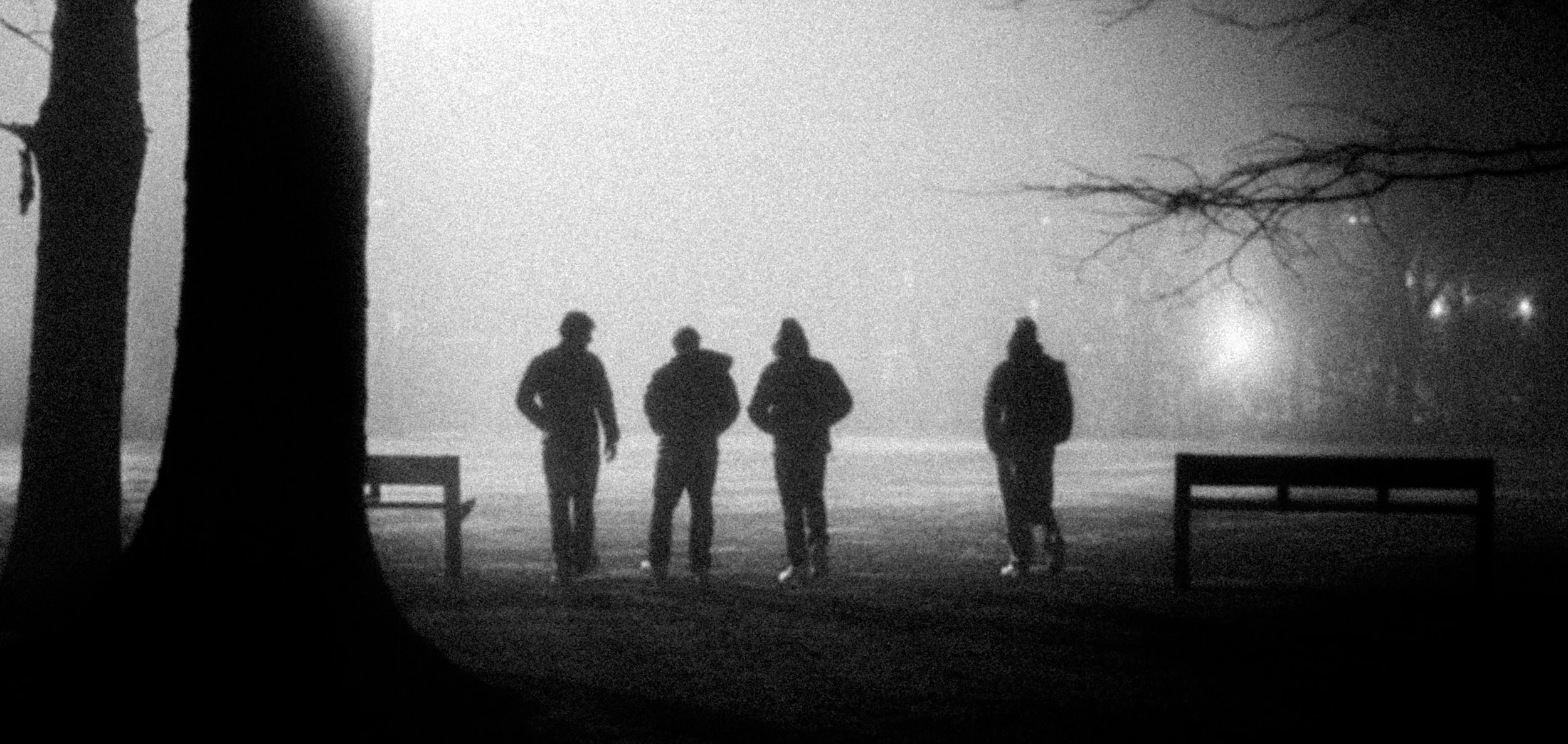
There’s a texture to images made with this pairing that I really enjoy. Not dramatic, not engineered to impress, but somehow quietly distinctive. Maybe that’s why this camera and lens combination works so well for street, travel, and everyday photography. It lets me see what’s in front of me without imposing itself. I can wander through a market, sit by a café, walk in nature, or navigate crowded streets and let the world accumulate naturally in the frame.

One thing I often see discussed on Reddit, in Fujifilm forums and review threads is whether the X-Pro2 is “worth it” in 2026. From a purely specifications standpoint, it lacks things newer models have adopted, like in-body image stabilisation, for example. The battery life isn’t spectacular compared to modern rivals either. But those trade-offs feel intrinsic to its personality, not failures. This camera never pretended to be a video machine or a tech demo. It’s a seeing machine. And I've enjoyed far older cameras than the X-Pro2. So yes, it is still worth it.

I don’t use the X-Pro2 because it has the newest processor or the fastest autofocus. I use it because it makes me look not just at what’s easy to capture, but at what feels interesting, familiar, uncomfortable, or fleeting. A good camera shouldn’t always make your life easier, but it should make your seeing richer, to be a bit philosophical. The X-Pro2 does that for me.

Paired with the 35 mm f/1.4, it becomes more than a tool. It becomes something like a window into how and why I notice the world around me. There are cameras that can do more, or faster, or more feature-packed. But there are few that make me want to lift them again, quietly, thoughtfully, and just look.