Inside the car - on accumulation, personal space, and quiet traces of life
I’ve been photographing the interiors of people’s cars every now and then. First, I thought is was because of boredom, but the habit seems to return every now and then. What keeps drawing me back isn’t the objects themselves, but the feeling that these spaces are somehow unintentionally revealing. Cars seem to collect fragments of life in a way that feels different from homes or workplaces. Less permanent maybe, at least meant to be, and less planned, and thus a bit more honest.
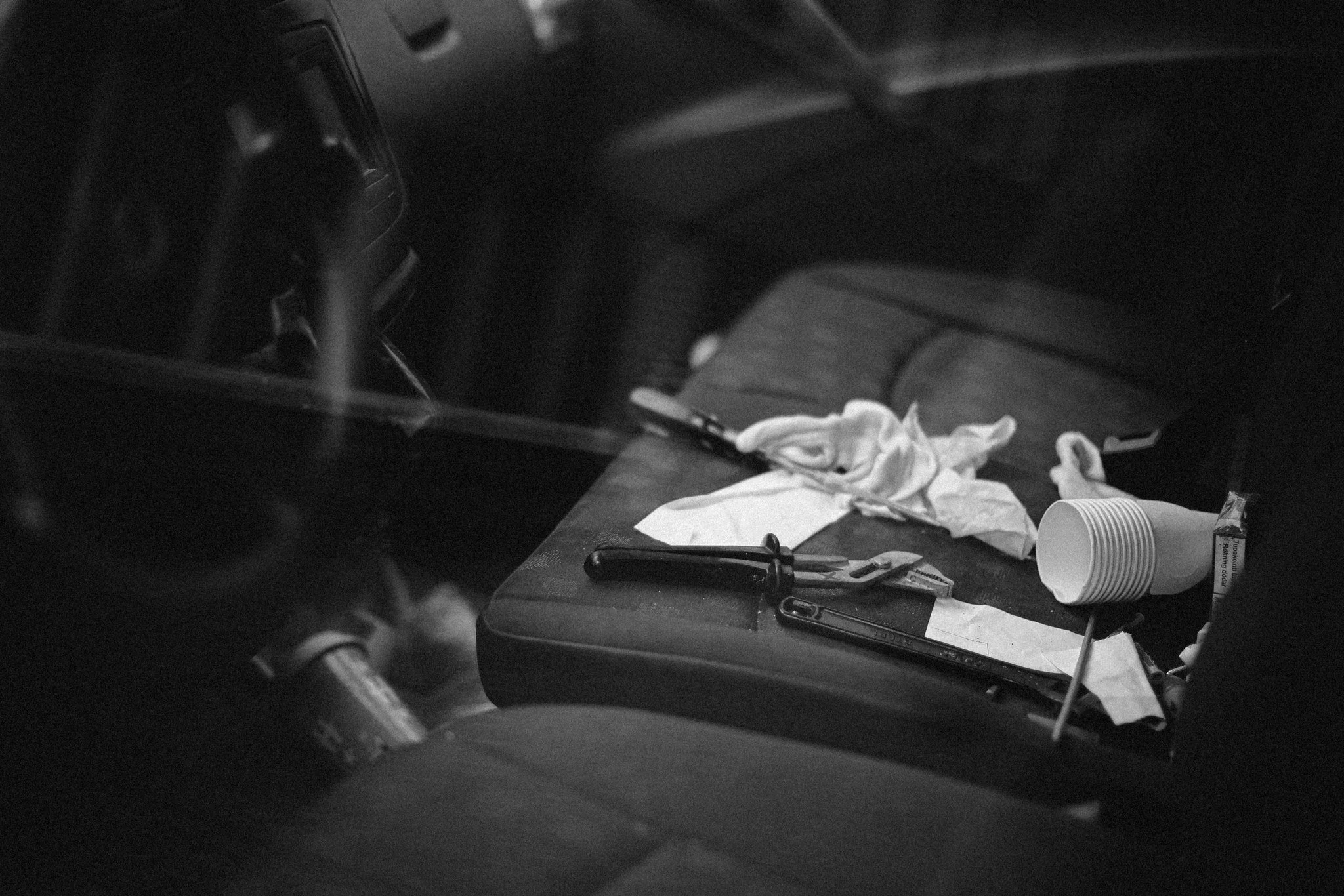
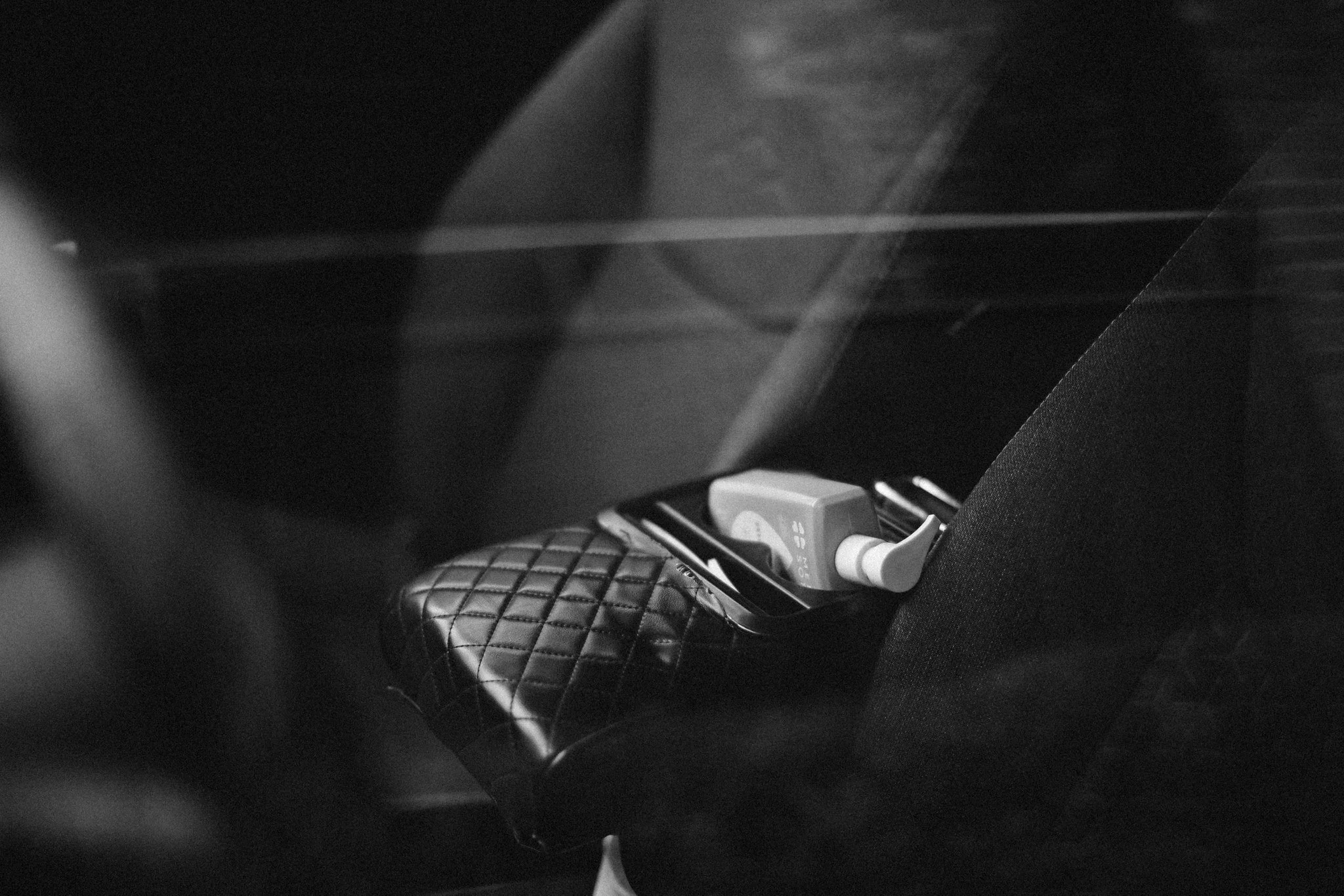
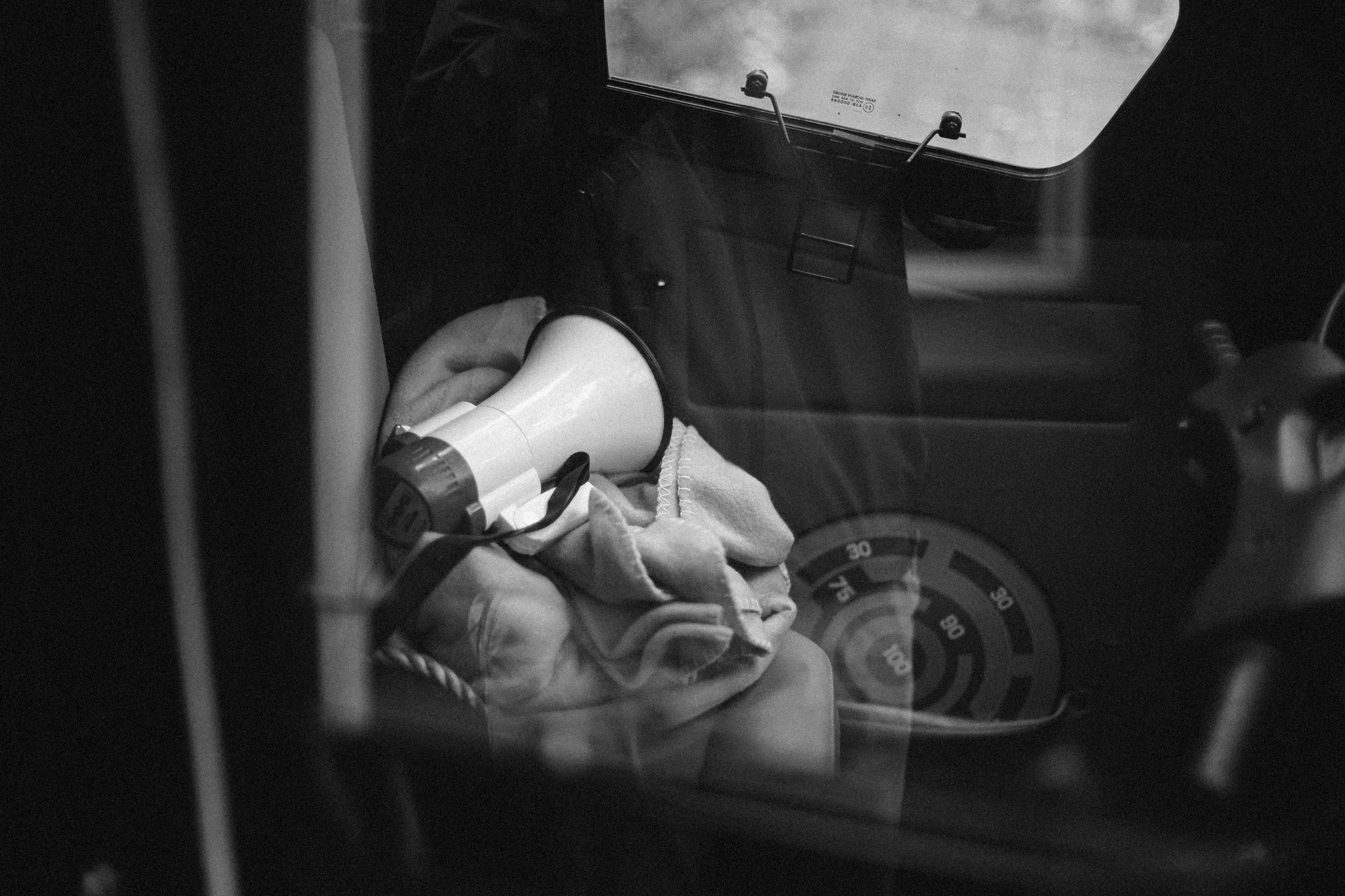
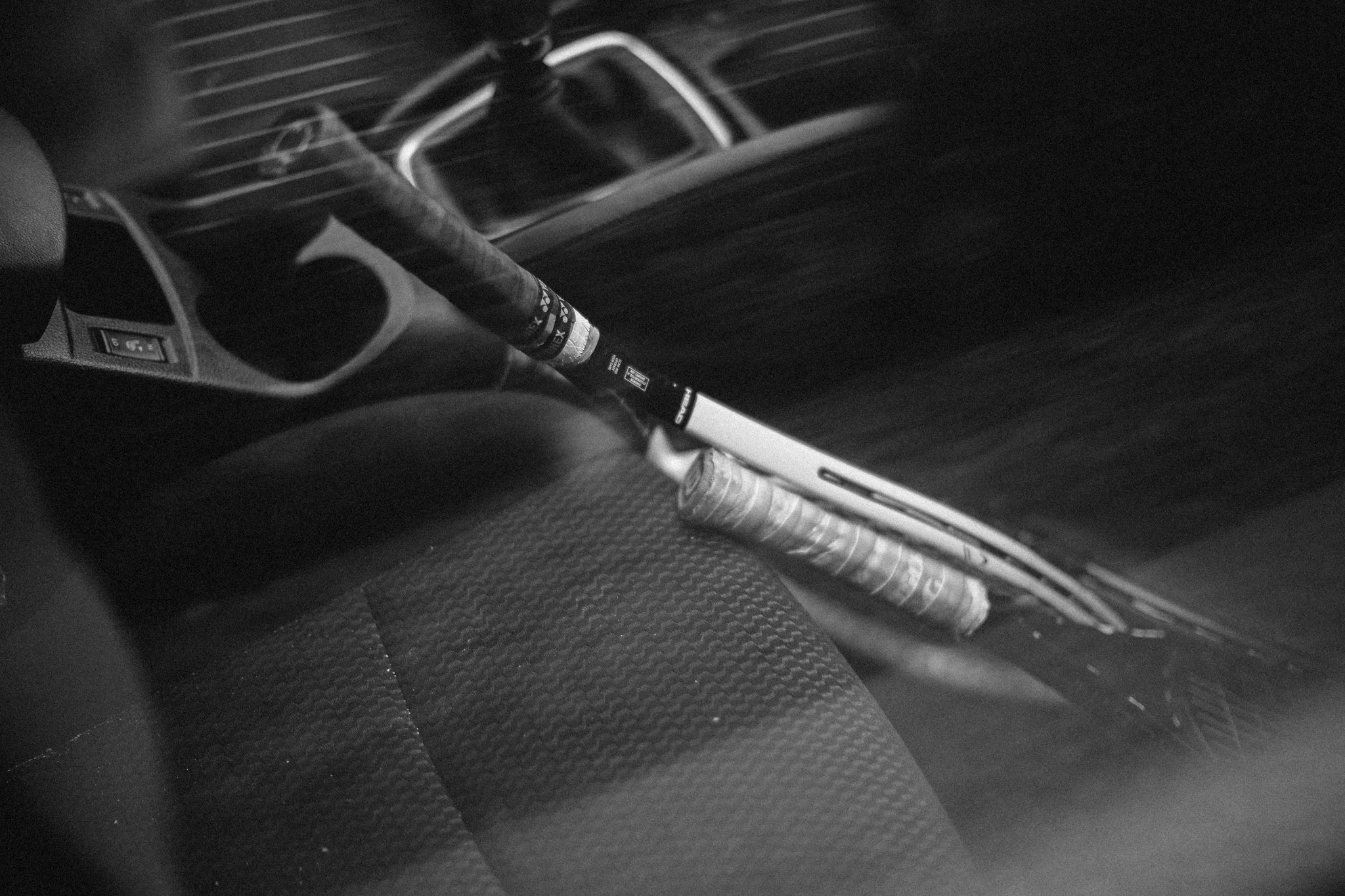
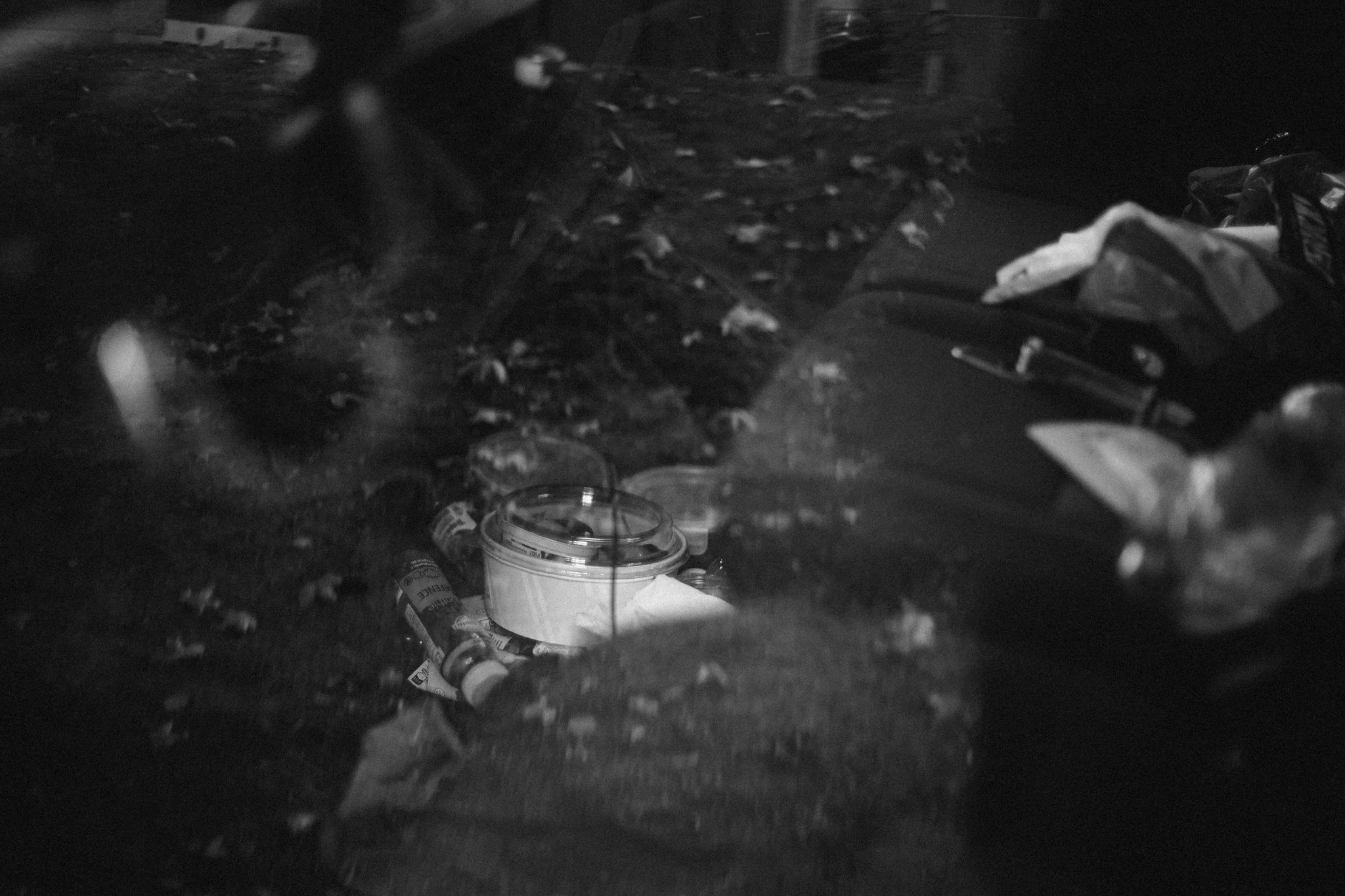
Receipts, bottles and/or cans, old clothing, tangled cables, hand sanitiser, rackets. None of these things are remarkable on their own, yet together they form something that shows a life in motion. I started wondering why this happens. Why do cars, of all places, become sites of accumulation? And what does that accumulation say about the people who inhabit them?
In environmental psychology, personal spaces are often understood as extensions of the self. Researchers like Irwin Altman (1975) and later Russell Belk (1988) have written about how people use spaces and objects to establish identity, comfort, and control. Bedrooms, desks, and offices are classic examples, and I understand this. Cars, however, I feel occupy a strange middle ground. They are private spaces moving through public environments, intimate and somewhat controlled, but never fully settled.
Some studies describe cars as “mobile territories.” (Brown et al., 2005) We spend long stretches of time in them, often alone, and they become places where habits form. Objects are left not because they are meaningful in themselves, but because they are close at hand when life happens.After running errands, during transitions between A and B or one obligation and the next. Over time, these objects become quiet markers of routine and presence, and often left in the car, they inhabit that space.
There is also research suggesting that people are less motivated to organise transitional spaces than fixed ones. Unlike a home, a car is not meant to feel complete. It’s said to be provisional by nature (Sheller, 2004). That provisional quality seems to invite accumulation without intention. I see this as a kind of soft neglect that isn’t careless so much as human.
What interests me as a photographer is that these interiors feel like snapshots of snapshots. They are already composed by daily life, by movement, by distraction, by repetition. When I photograph them, I’m not arranging or interpreting so much as noticing what has already been left behind. At the same time, I’m aware that any meaning I see in these spaces is not universal. Research on visual perception and interpretation reminds us that images are always read through personal context. Each viewer brings their own memories, experiences, and associations. What feels mundane or empty to one person may feel intimate or charged to another.
The same is true for these car interiors. They are not objective records of identity. They are invitations. Someone else might see clutter where I see meaning, or randomness where I see rhythmicity.
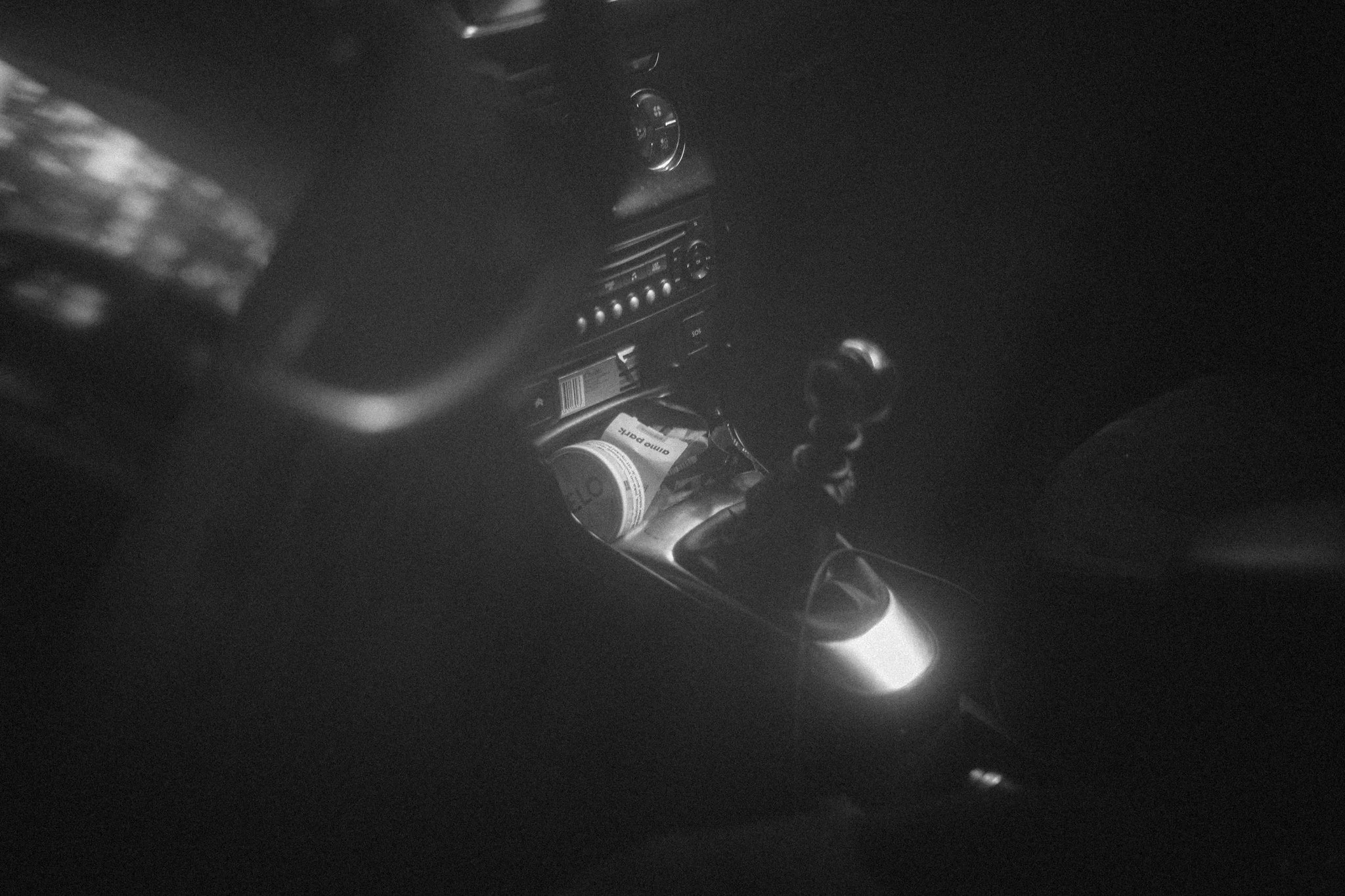
Cars, in this sense, feel like extensions of our homes not because they are orderly or expressive, but because they carry traces of living without performance. They show what we don’t bother to edit. And photography, at least the kind that interests me, often begins exactly there — in spaces where life leaves marks without trying to say anything at all.
References
Altman, I. (1975). The environment and social behavior: privacy, personal space, territory, and crowding.
Belk, R. W. (1988). Extended self in consumer behavior. Journal of Consumer Research, 15(2).
Brown, G., Lawrence, T. B., & Robinson, S. L. (2005). Territoriality in organizations. Academy of management review, 30(3), 577-594.
Sheller, M. (2004). Automotive emotions: Feeling the car. Theory, culture & society, 21(4-5), 221-242.
