Why Your Photos Feel Flat (And Why That’s Not Really the Problem)
I don’t know if my photos feel flat. I didn't think about this before I read it online.
Some of them probably do. Others don’t. What I've noticed more often is that photographs taken close together in time, sometimes even of similar, or the exact same things, can feel very different when I look at them later. One seems to hold my attention, while another, doesn’t really ask me to stay. It's not about the technical level. Perfectly nailed focus and composition, or out of focus and blurry, that's not what decides it.

When people describe photos as “flat,” they usually mean something like this, even if the word itself isn’t very precise. It sounds like a technical, or dramatic diagnosis (flat-line kind), but it rarely is. Most photographs that feel flat are exposed correctly, reasonably composed, and pleasant enough to look at. They aren’t wrong. They’re just...quiet...in some way.
So instead of asking why photos feel flat, I’ve started asking a slightly different question: why do some images hold attention, while others let it drift away?
The difference, I think, has less to do with drama or subject matter and more to do with decisiveness. Images that feel alive tend to make a small but clear demand on the viewer. They suggest where to look first. Not forever, just initially. They establish a kind of visual gravity, a sense that something in the frame matters more than the rest, even if it’s not immediately obvious why.
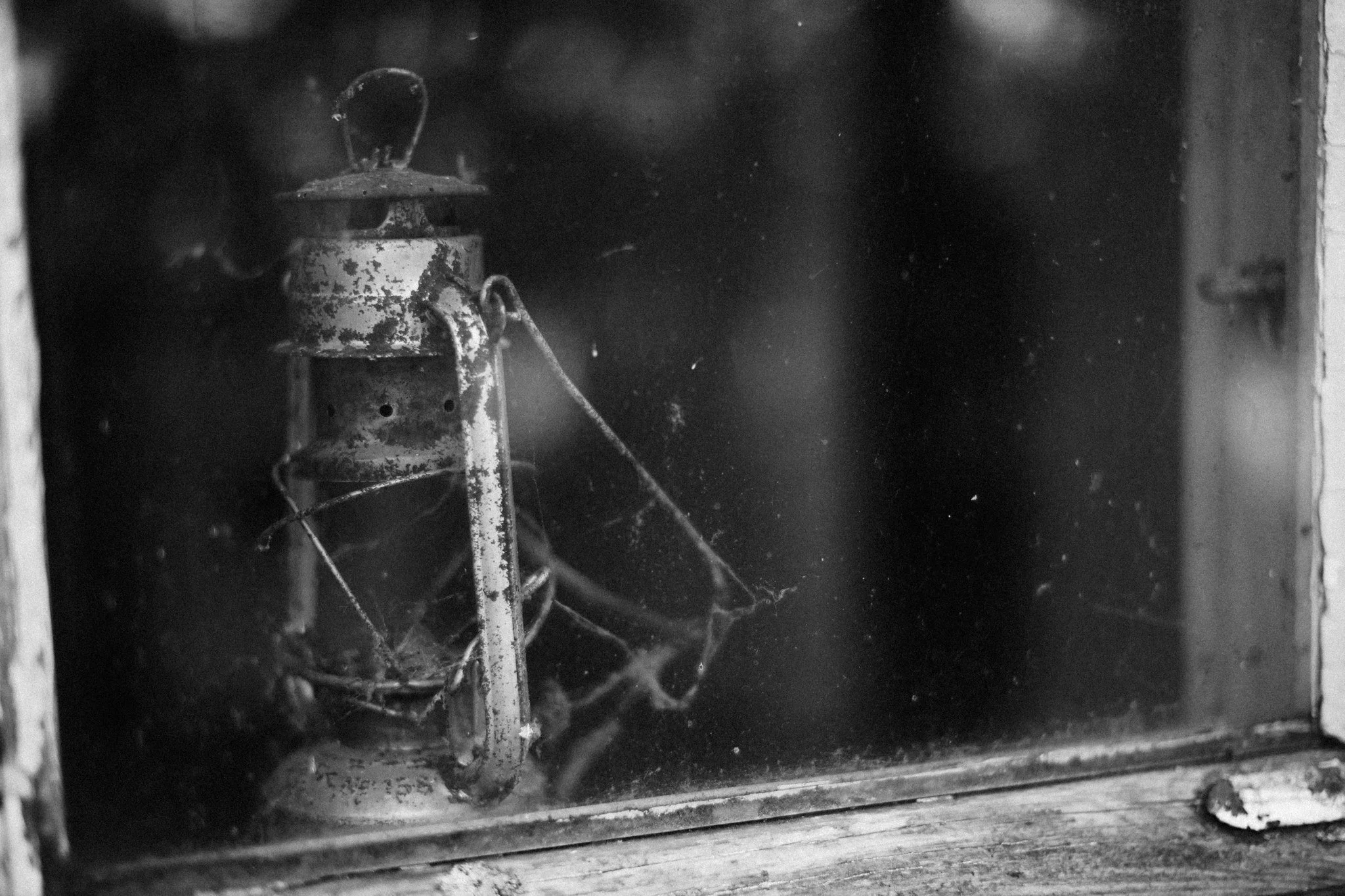
Photographs that feel flat often hesitate at that moment. Attention is spread evenly across the frame, with no element quite willing to speak. Everything is included, nothing is emphasised, and the image ends up being visually polite in some way. The eye enters, wanders without resistance, and eventually leaves. Not because the photograph is bad, but because it never really decided what it wanted to say visually.
This has very little to do with shallow depth of field or strong contrast, even though those tools can sometimes create emphasis. What’s really at stake is hierarchy. When a photograph commits to one relationship over others, like one tension, one alignment, one point of friction, it becomes easier for the viewer to enter it. When it doesn’t, the burden of interpretation falls entirely on the viewer, and most people won’t carry it for very long. I'm like that as well. Principle of least effort.
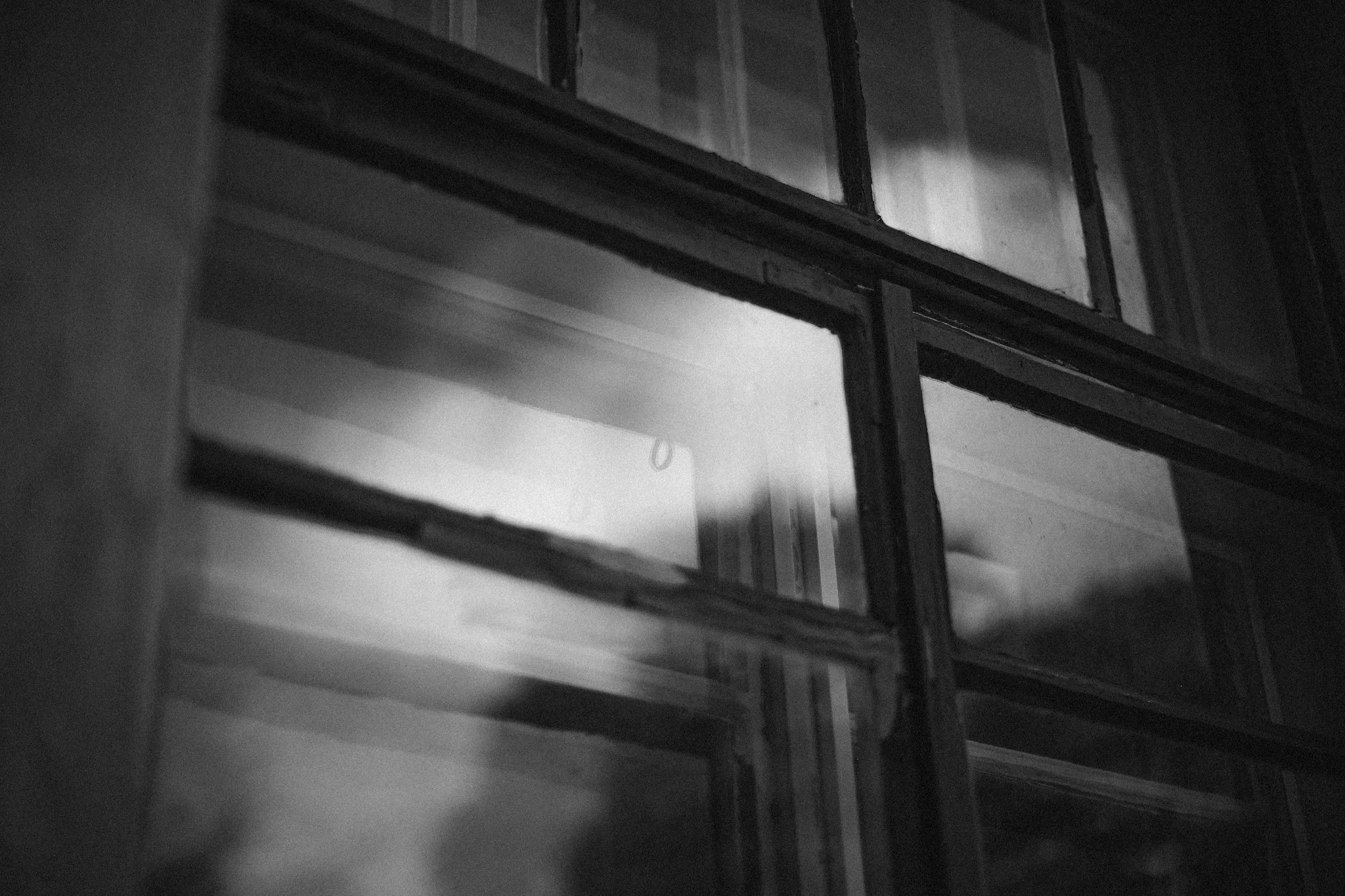
The same idea applies to depth. When images are described as flat, the word usually isn’t pointing at space so much as it’s pointing at relationships. A photograph can have plenty of physical depth and still feel inert if the elements within it lack interaction. Foreground, subject, and background might all be present, but if they merely coexist rather than push against each other, the image feels more like a collection of objects than a situation.
Depth, in this sense, comes from interaction rather than blur. Overlap, obstruction, framing, tension—these things create the feeling that parts of the image are aware of each other. Without that awareness, the photograph might remains visually shallow, no matter how technically accomplished it is.
Light plays a similar role. Not dramatic light, or “good” light in the usual sense, but light that describes form. Light that explains transitions, reveals volume, or subtly favors one area of the frame over another helps the image make a choice. When light is evenly distributed and non-committal, it often contributes to that sense of flatness—not because it’s wrong, but because it refuses to emphasize anything in particular.
What complicates all of this is meaning. It’s tempting to believe that photographs feel alive when they depict something meaningful, and flat when they don’t. But meaning, on its own, doesn’t guarantee engagement. A photograph can be about something important and still feel visually empty, just as a photograph with no obvious subject or story can feel strangely compelling.
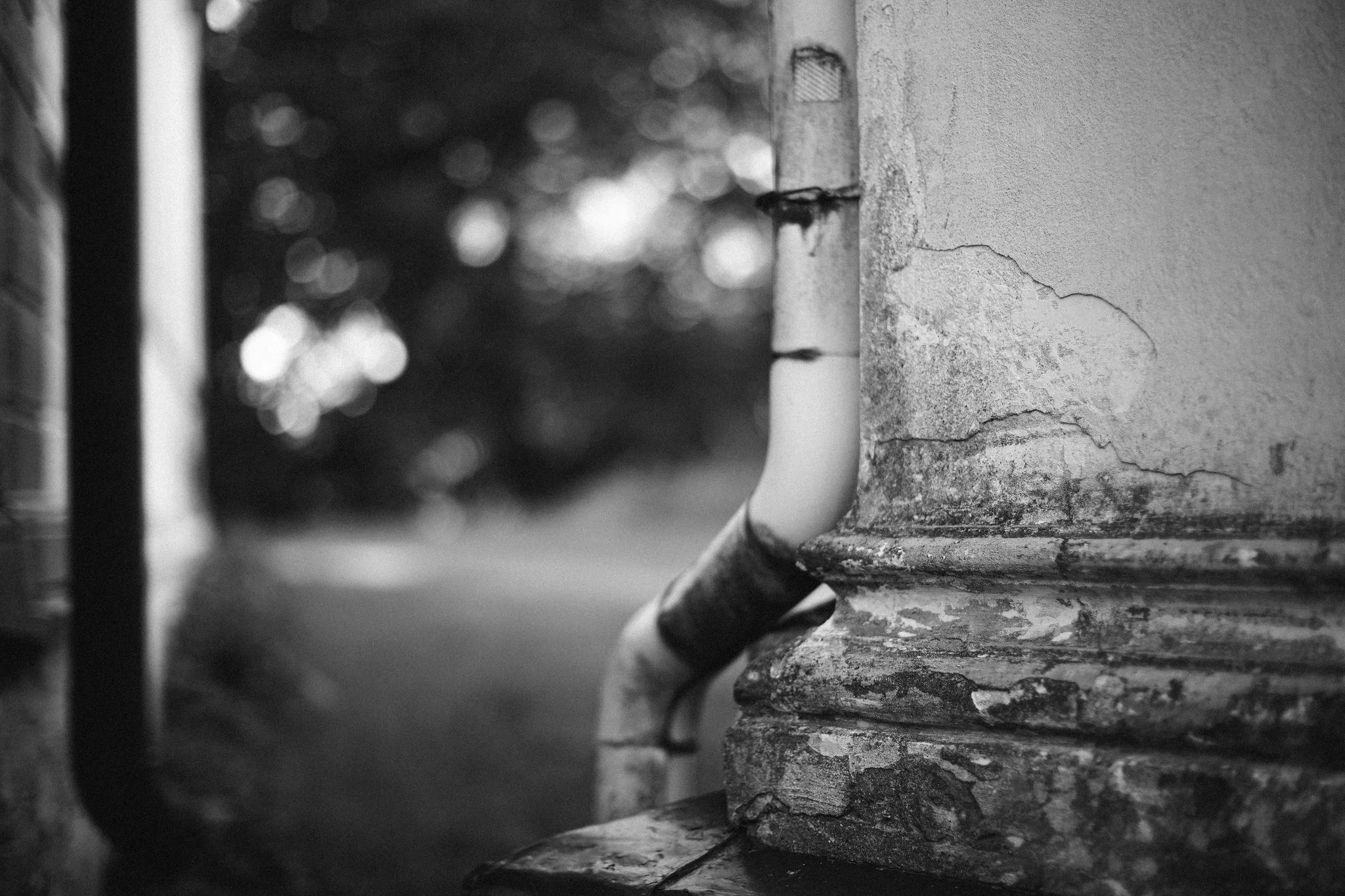
Meaning usually arrives through structure rather than replacing it. If an image doesn’t give the viewer a way in, if it doesn’t guide attention or establish relationships, the meaning remains abstract, external to the photograph itself. The camera doesn’t know what matters conceptually, at least not yet, maybe in the future. It only responds to what is emphasised visually.
At the same time, meaning is never fixed. And this is what I find key here. Every photograph is read differently by every person who encounters it. Each viewer brings their own context, shaped by past experiences, memories, expectations, and even their sense of where they are in life. Something that feels mundane or flat to one person can quietly resonate with another. Images don’t contain meaning so much as they invite it, and the invitation is always interpreted differently.
That’s why I don’t think “flatness” is a final verdict. It’s a description of how an image lands for a particular viewer at a particular moment. And it’s also why I take photographs that are meaningful to me, even when I know they won’t speak the same way to everyone else, maybe no one else. My own context shapes what I notice, how I frame it, what I’m willing to exclude, and what I choose to emphasise. Those decisions, at least the visible ones, are what give a photograph its structure in the first place.
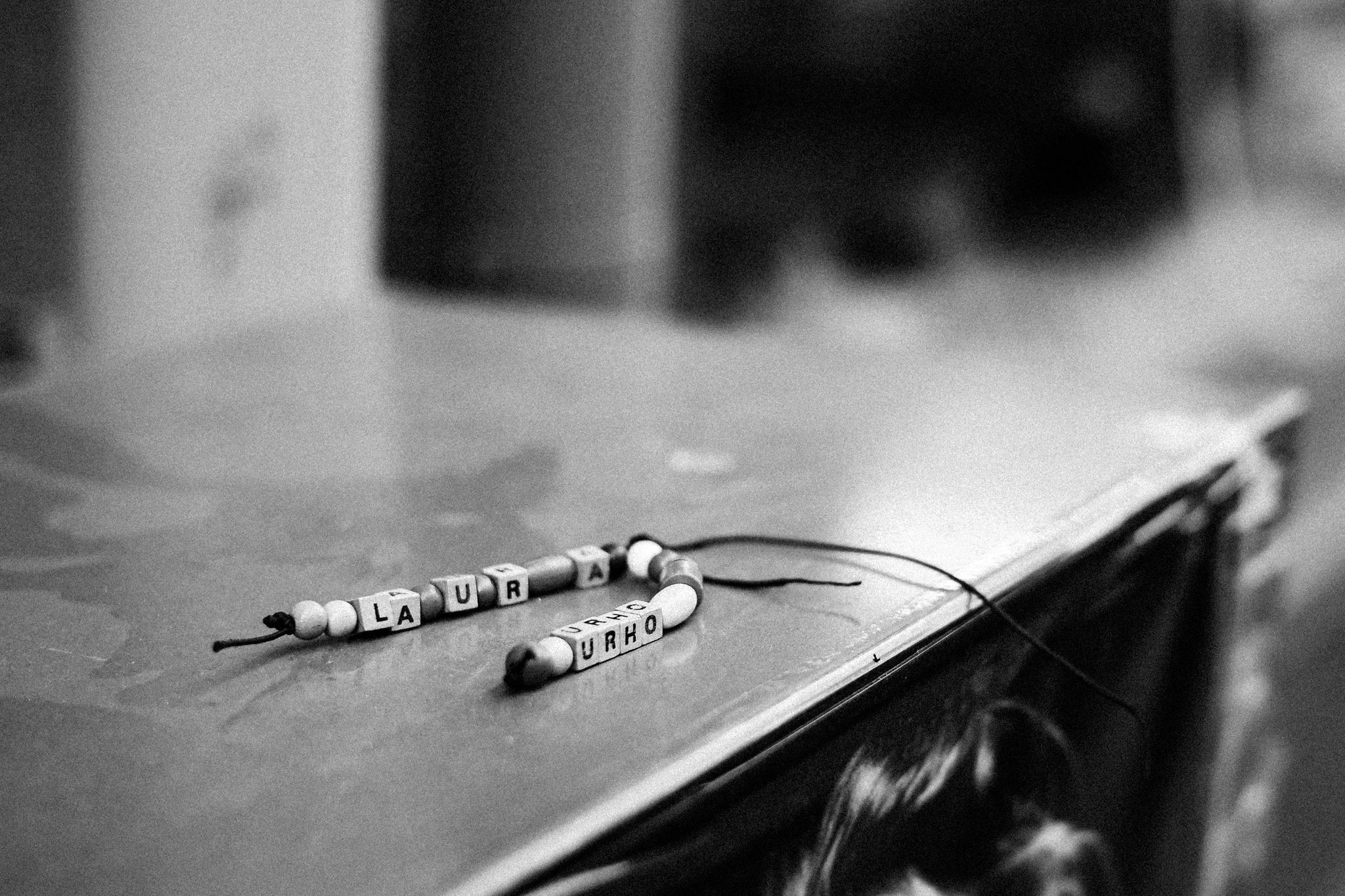
When a photograph feels flat to me, I try not to see it as a failure. I see it as feedback. It usually means I didn’t commit strongly enough, didn’t allow one relationship to dominate, or didn’t clearly decide what the image was asking the viewer to notice. I have noticed that this also correlates with levels of stress and expectations. Much like with life in general, usually slowing down helps. That’s not a technical problem. It’s a perceptual one.
And perception, unlike equipment or circumstances, is something that can be practiced. Not by forcing meaning into photographs, but by learning to notice more clearly what feels worth showing.